Creating a personalised workout plan is essential for anyone looking to meet their fitness goals effectively. A tailored plan considers individual needs, preferences, and current fitness levels, ensuring that training is both motivating and achievable. This approach helps individuals avoid common pitfalls such as injury and burnout.
When developing a workout plan, it is crucial to assess personal fitness objectives. These goals could range from building muscle and enhancing endurance to improving flexibility or losing weight. Understanding these specific aims allows for the selection of appropriate exercises and the structuring of a balanced routine.
Incorporating elements such as frequency, intensity, and variety not only makes workouts engaging but also facilitates progress over time. By steadily monitoring performance and adjusting the plan as necessary, individuals can create a dynamic training regime that evolves with their journey towards optimal fitness.
Assessing Your Fitness Goals and Training Needs
To create a personalised workout plan, it is essential to evaluate fitness goals and specific training needs. A clear understanding of aspirations and requirements will guide the development of a tailored regimen.
Setting Achievable Goals
Establishing precise fitness goals determines the focus of a workout regimen. Goals can vary from improving strength to altering body composition or enhancing endurance.
Types of fitness goals include:
- Weight loss: Reducing body fat percentage.
- Muscle gain: Increasing lean muscle mass.
- Endurance improvement: Enhancing cardiovascular performance.
To ensure goals are achievable, they should follow the SMART criteria: Specific, Measurable, Achievable, Relevant, and Time-bound. For example, a goal could be “run 5 kilometres in under 30 minutes within three months.” Setting realistic timelines and milestones helps maintain motivation and track progress effectively.
Identifying Training Requirements
Understanding training needs is crucial for creating a successful workout plan. This involves analysing current fitness levels and any existing cardiovascular conditions.
Elements to consider include:
- Current fitness level: Assessing strength and endurance
- Activity preferences: Choosing enjoyable exercises to encourage adherence
- Strength training focus: Selecting appropriate resistance exercises for targeting muscle groups
Incorporating both cardiovascular workouts and strength training ensures a balanced approach. If weight loss is a goal, integrating high-intensity interval training (HIIT) or circuit training can yield effective results. Identifying personal likes and areas of improvement helps in crafting a focused and motivating exercise routine.
Designing Your Custom Workout Programme
Creating a personalised workout programme requires careful consideration of various factors, including exercises, recovery, and progression. Each component plays a crucial role in ensuring the plan is effective and sustainable.
Selecting Exercises and Workouts
When designing a custom workout, start by selecting exercises that align with specific fitness goals. This may include combining strength training, cardiovascular activities, and flexibility work.
Consider the following list of exercises:
- Strength Training: Squats, deadlifts, bench presses
- Cardio Workouts: Running, cycling, swimming
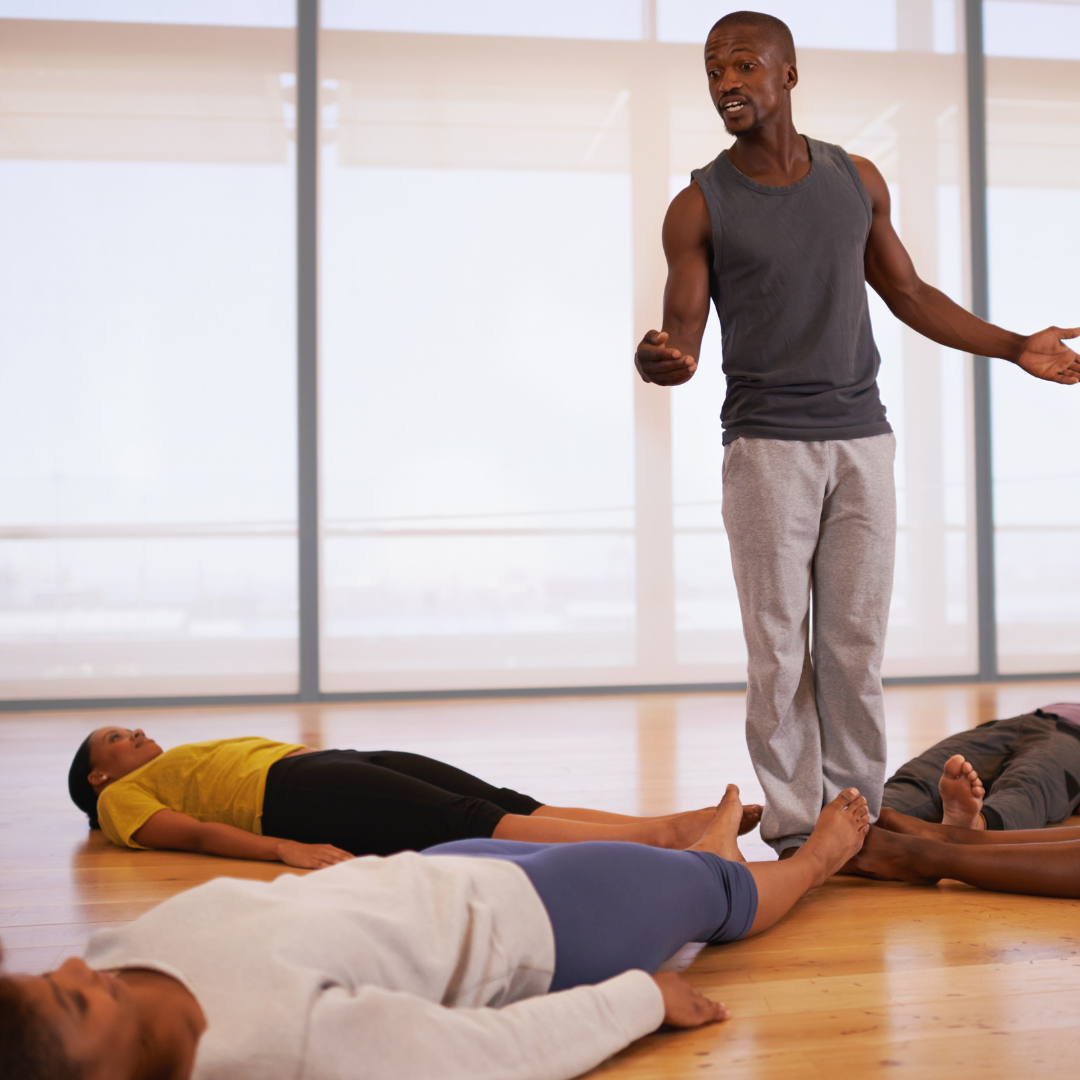
- Flexibility and Recovery: Yoga, stretching, foam rolling
Choosing a mix ensures a balanced regimen. It’s essential to include exercises targeting major muscle groups while maintaining variety to prevent boredom.
Incorporating Rest and Recovery
Incorporating rest and recovery into the programme is vital for progress and injury prevention. Rest days allow muscles to repair and grow stronger.
Plan for at least one full rest day per week. Active recovery, such as light walking or stretching, can also be beneficial.
Consider scheduling workouts in cycles, such as:
| Week | Focus | Rest Days |
| 1 | Strength | 2 Rest Days |
| 2 | Cardio | 1 Rest Day |
| 3 | Mixed Activities | 2 Rest Days |
This structure facilitates recovery while promoting consistent engagement.
Adjusting for Difficulty and Progression
Adjusting the difficulty is necessary to ensure continual improvement. Start with a manageable intensity and gradually increase it as fitness levels rise.
To achieve this, consider:
- Reps and Sets: Increase the number of repetitions or sets.
- Weight: Gradually add weights to strength exercises.
- Intervals: Shorten recovery time during cardio workouts.
It is critical to listen to the body; if fatigue sets in, it might be necessary to dial back the intensity. Tailoring the programme to individual needs can maximise results and maintain motivation.
Building Your Routine
Creating a personalised workout plan requires careful planning. It involves mapping out a schedule that suits one’s lifestyle while ensuring diversity in training. Both components are crucial for optimal results.
Mapping Out a Weekly Schedule
A consistent weekly schedule is vital for success. Individuals should identify their available days and times for workouts, ensuring they fit in with their personal commitments.
An effective approach is to divide workouts into distinct categories:
- Strength Training: Focus on major muscle groups. Include sessions targeting biceps, back, and legs.
- Cardio: Designate days for activities like running, cycling, or swimming.
- Flexibility and Recovery: Incorporate yoga or stretching sessions to promote recovery and prevent injury.
A sample weekly schedule might look like this:
| Day | Workout Type | Duration |
| Monday | Strength Training | 45 mins |
| Tuesday | Cardio | 30 mins |
| Wednesday | Yoga | 30 mins |
| Thursday | Strength Training | 45 mins |
| Friday | Cardio | 30 mins |
| Saturday | Active Recovery (Walk) | 60 mins |
| Sunday | Rest | – |
Variety and Engagement in Training
To maintain motivation, variety in workouts is essential. Mixing exercises helps prevent boredom and keep the body challenged.
Incorporating different types of workouts can include:
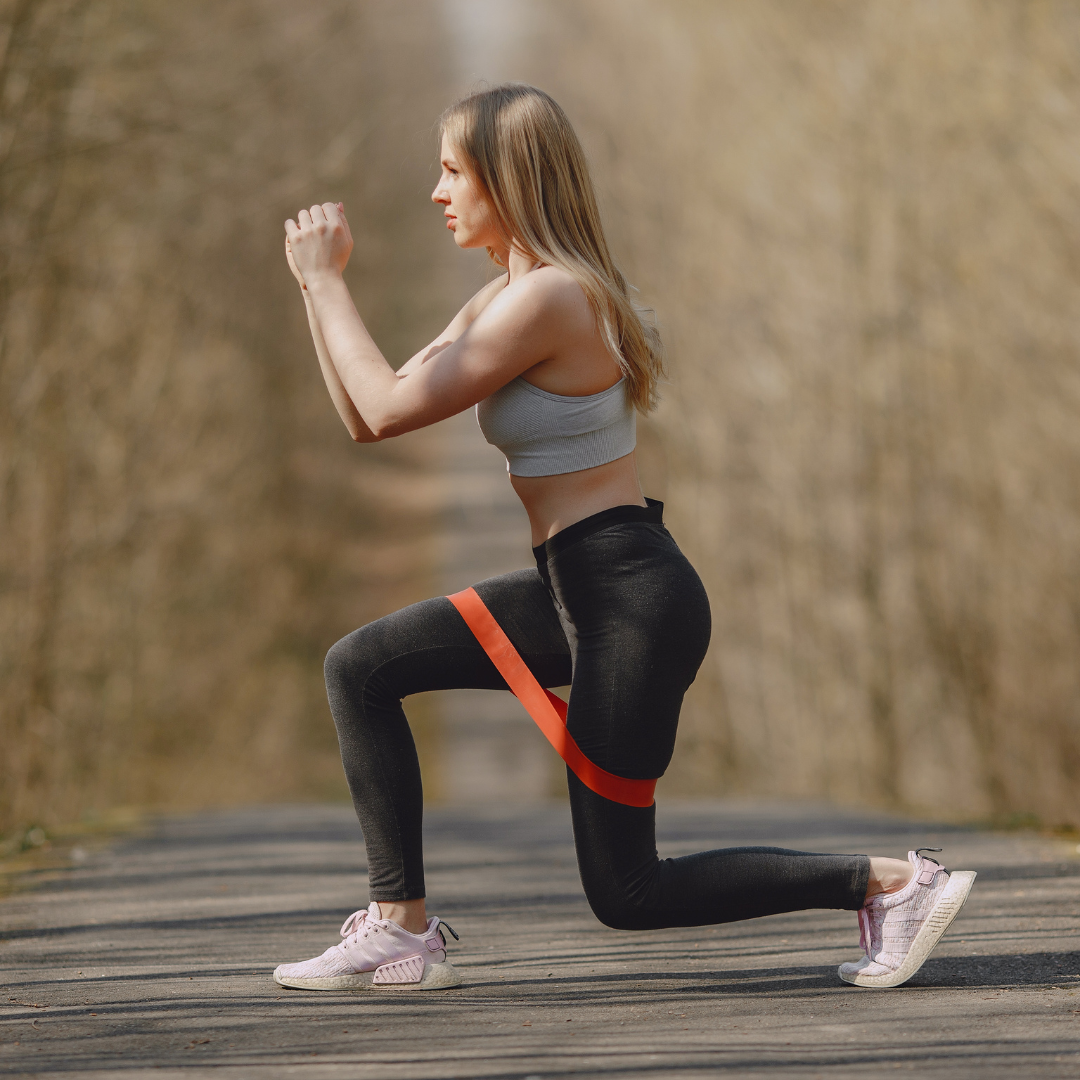
- Body Weight Exercises: Push-ups, squats, and planks can be performed anywhere.
- Gym Equipment: Use weights and machines for targeted strength training.
- Group Classes: Participating in classes like spinning or circuit training fosters a sense of community.
Moreover, consider varying intensities and techniques. For example, alternating between high-intensity interval training (HIIT) and steady-state cardio can yield different benefits. This approach enhances physical adaptations and keeps the training process engaging and dynamic.
Tracking Progress and Making Adjustments
Monitoring progress and making necessary adjustments is essential for optimising a personalised workout plan. By keeping track of improvements in fitness, individuals can enhance effectiveness and maintain motivation. Adapting workouts ensures continued growth and prevents plateaus.
Monitoring Improvements in Fitness
Regular tracking allows individuals to observe changes in their fitness levels. They can use tools like Garmin Connect to log workouts and monitor metrics such as heart rate, strength, and endurance. Recording progress in bone density and flexibility may also provide valuable insights.
Individuals should set measurable goals, such as increasing weights lifted or improving endurance. Weekly assessments or monthly fitness tests can highlight improvements and indicate areas needing attention. Keeping a workout journal helps in visualising gains and reflections on efforts.
Adapting the Workout Plan for Continued Growth
Adjustments to a workout plan are vital as fitness levels improve. If an individual consistently meets goals, increasing intensity or varying exercises can challenge their body. This may include altering the number of repetitions, weights, or incorporating new training methods.
Engaging a personal trainer can provide expertise in making these adjustments effectively. They can identify strengths and weaknesses, ensuring the workout plan aligns with evolving fitness goals. Regularly updating the plan based on current performance keeps engagement high and results consistent.