Creating a peaceful home atmosphere requires intentional choices that promote calm and comfort. A key step is to declutter and organise spaces to reduce visual stress and improve mental clarity. This simple action can dramatically change how a home feels on a daily basis.
Lighting and sound also play crucial roles in fostering tranquillity. Using soft, natural light and minimising loud noises helps create a welcoming environment that supports relaxation and focus. Paying attention to these factors can transform a busy household into a sanctuary.
Foundations Of A Peaceful Home Atmosphere
Creating a calm and peaceful home depends on understanding the key elements that contribute to wellness and reducing stress. Core principles guide how to arrange spaces, what to keep, and how to maintain an environment that promotes tranquillity and balance.
Benefits Of A Calm Home
A calm home atmosphere improves mental and physical health by lowering stress levels. It provides a space where occupants can relax, recharge, and feel safe from external pressures.
Reduced noise, soft lighting, and comfortable furniture all contribute to an environment that supports better sleep quality and improved mood. People in peaceful homes often experience fewer conflicts and better focus on daily activities.
Such an environment can enhance overall wellness by encouraging mindfulness and creating a dedicated space for rest. This reduces tension and helps maintain a steady mental state throughout the day.
Principles Of A Peaceful Environment
Key principles for a peaceful home environment include simplicity, order, and harmony. Maintaining organisation prevents clutter from causing visual stress and distractions.
Natural light and calm colours play an important role. Soft blues, greens, and earth tones encourage relaxation. Incorporating plants or natural materials also connects the space to nature, which has a soothing effect.
Sound control is vital. Reducing intrusive noises with curtains, rugs, or noise-cancelling elements contributes to a quiet atmosphere. Regular cleaning and maintenance ensure the home feels fresh and inviting, avoiding feelings of chaos.
Minimalism And Decluttering
Minimalism supports a peaceful home by focusing on essentials and removing excess possessions. Decluttering helps eliminate stress caused by mess and disorder.
The process involves sorting items into keep, donate, or discard categories to avoid accumulation. It encourages intentional purchasing habits and mindful use of space.
Streamlined storage solutions help maintain tidiness and prevent clutter from returning. This simplicity translates into easier cleaning and a visually calm environment, making it easier to create and sustain a peaceful home atmosphere.
Designing A Tranquil Living Space
Creating a serene atmosphere at home depends on lighting, greenery, and thoughtful décor choices. Each element contributes to a calm environment that supports relaxation and reduces stress.
Natural Light And Daylight
Natural light positively impacts mood and well-being. Maximising daylight involves using sheer curtains or blinds that allow light to diffuse without glare. Rooms facing east or south typically receive more sunlight, making them ideal for living areas.
Reflective surfaces such as mirrors can amplify natural light. Keeping windows clean ensures unobstructed daylight entry. Avoiding heavy drapes or dark window treatments helps maintain brightness throughout the day, fostering a more peaceful home ambience.
Plants And Greenery
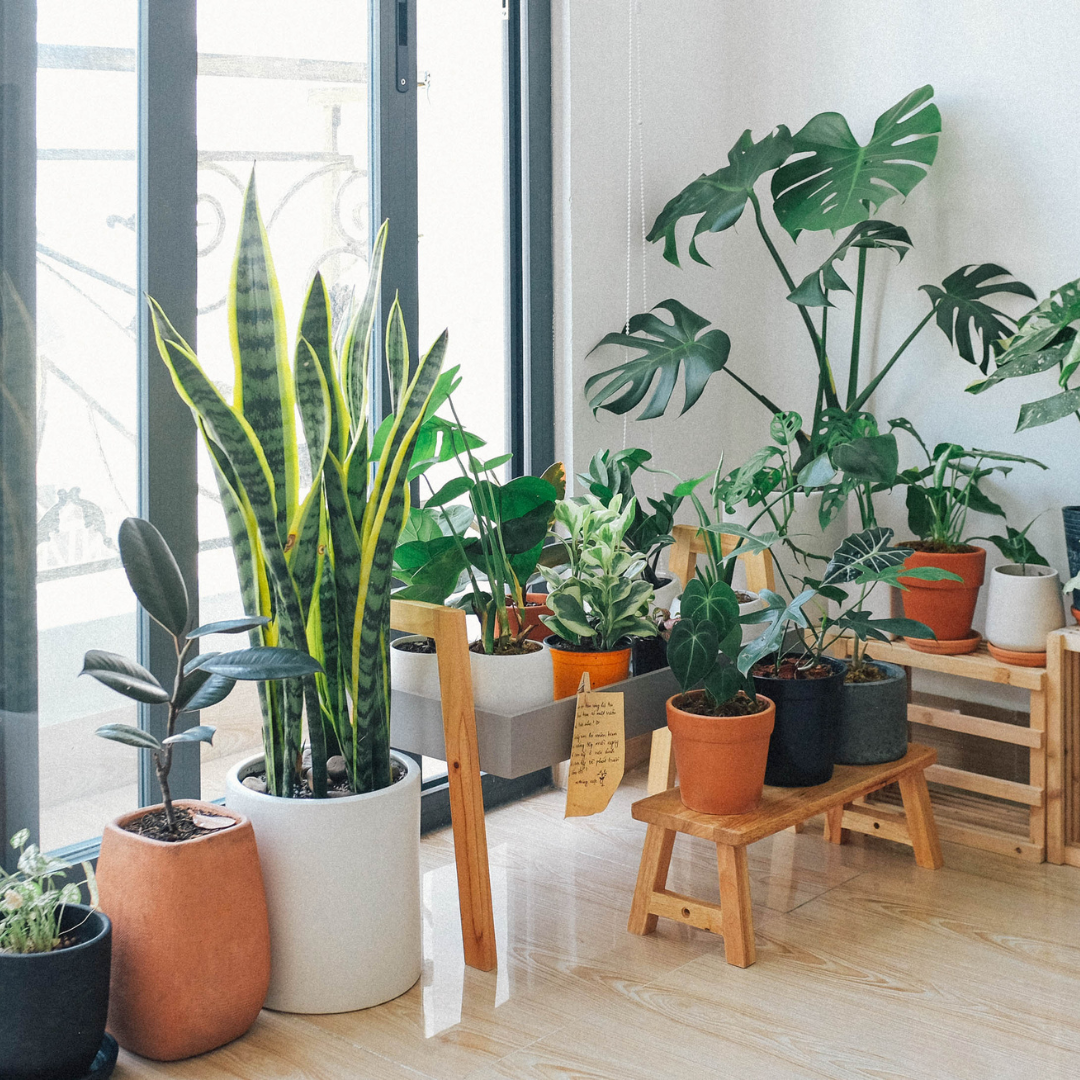
Incorporating plants enhances air quality and adds a natural, calming element. Popular options include spider plants, snake plants, and peace lilies, which require minimal care yet provide fresh oxygen.
Placement is important; grouping plants near seating areas or windows balances visual interest and functionality. Regular maintenance keeps plants healthy, contributing to a more tranquil living space over time.
Interior Design For Calm
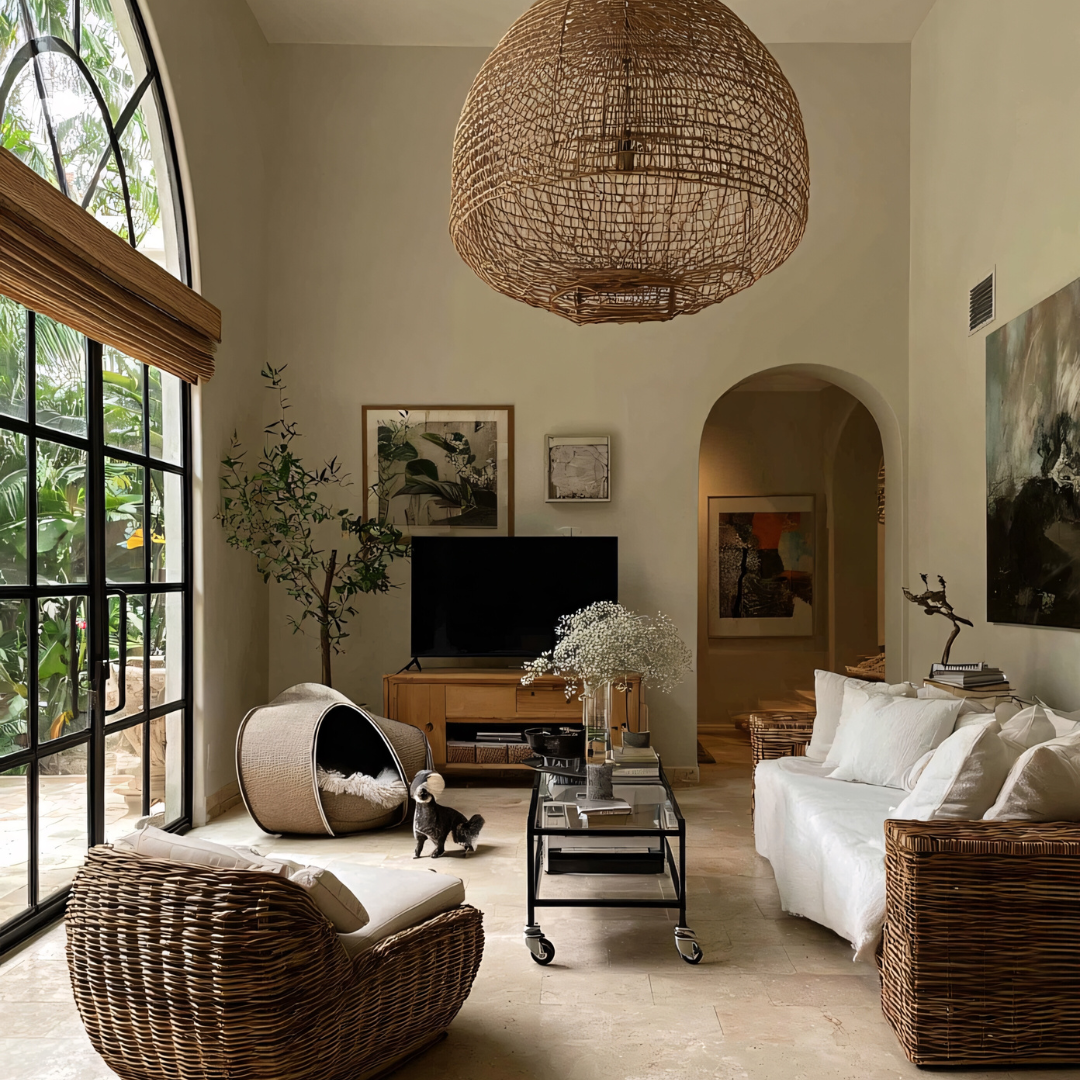
Interior design that encourages calm often features uncluttered layouts and simple furniture. Open spaces with minimal furnishings reduce visual stress. Using natural materials like wood, linen, and cotton adds warmth and texture without overwhelming the senses.
Storage solutions should hide clutter effectively. Avoiding excessive patterns or sharp contrasts helps maintain a steady, peaceful atmosphere. Soft textiles such as cushions and throws promote comfort and relaxation.
Choosing Calming Colours
Calming colours are typically muted and cool, such as pale blues, soft greens, and gentle greys. These shades reduce overstimulation and create a soothing backdrop for daily activities.
Avoid bright or highly saturated colours in main areas. Instead, use accents in soft tones to add interest without disturbing the peaceful environment. Warm neutrals can complement cool colours for balance and harmony.
Sensory Elements And Relaxation Techniques
Calming the senses and establishing specific zones for relaxation are effective ways to enhance a peaceful atmosphere. Using specific scents and creating dedicated spaces for quiet reflection can reduce stress and promote well-being.
Aromatherapy And Essential Oils
Aromatherapy uses essential oils to influence mood and calm the mind. Lavender is a common choice due to its soothing properties. It can be diffused or mixed with carrier oils for topical use.
Essential oils like chamomile, bergamot, and eucalyptus also support relaxation. They should be used in well-ventilated areas and kept out of reach of children and pets.
Diffusers and inhalers offer easy methods to incorporate aromatherapy daily. Regular use can help reduce tension and improve sleep quality.
Scented Candles For Ambience
Scented candles provide both light and fragrance, creating a gentle, relaxing environment. Opt for candles with natural waxes such as soy or beeswax to avoid harsh chemicals.
Scents like lavender, sandalwood, and vanilla are popular choices that influence the mood positively. Burning candles in living rooms or bedrooms encourages a calm atmosphere.
Always place candles on stable surfaces away from drafts or flammable materials. Never leave them unattended to ensure safety.
Creating A Meditation Corner
A meditation corner can be a small, dedicated area designed for quiet reflection. The space should include comfortable seating, soft cushions, and minimal distractions.
Adding elements like calming colours, plants, or gentle lighting enhances relaxation. Essential oil diffusers or scented candles may be incorporated to enrich the sensory experience.
Regular use of this space for meditation or breathing exercises fosters mental clarity and reduces stress. It serves as a visual reminder to take intentional breaks during the day.
Practical Habits For Sustaining Serenity
Creating a calm environment requires consistent effort in daily routines and mindful choices. Focusing on simple, repeatable actions encourages a peaceful home environment and supports overall wellness.
Maintaining Cleanliness And Organisation
Regular cleaning reduces clutter, which directly influences mental clarity. A tidy space prevents distractions and helps maintain a relaxing home.
Daily habits like making beds, washing dishes promptly, and clearing surfaces help avoid the build-up of mess. Storage solutions such as labelled boxes and shelves keep items organised and accessible.
Scheduling a weekly deep clean, including dusting corners and vacuuming, removes allergens and adds to physical comfort. Clean floors and fresh air contribute noticeably to a calm atmosphere.
Establishing Tech-Free Zones
Designating areas of the home without electronic devices encourages relaxation and presence. This practice limits distractions, helping household members unwind fully.
Common tech-free zones include dining rooms or bedrooms. These spaces promote better sleep and deeper conversations, strengthening personal connections.
Rules might involve no phones at the dinner table or no screens an hour before bed. Establishing these boundaries supports mental wellness by reducing constant digital engagement.
Incorporating Daily Wellness Rituals
Integrating small, daily actions boosts calm and well-being within the home. Activities like stretching, mindful breathing, or a short walk help reduce stress.
Setting specific times for these rituals fosters consistency, making them part of the household rhythm. Even five minutes of meditation or journaling can enhance inner peace.
Using calming scents, such as lavender or eucalyptus, during these routines also supports relaxation. These wellness habits create a more peaceful home environment throughout each day.