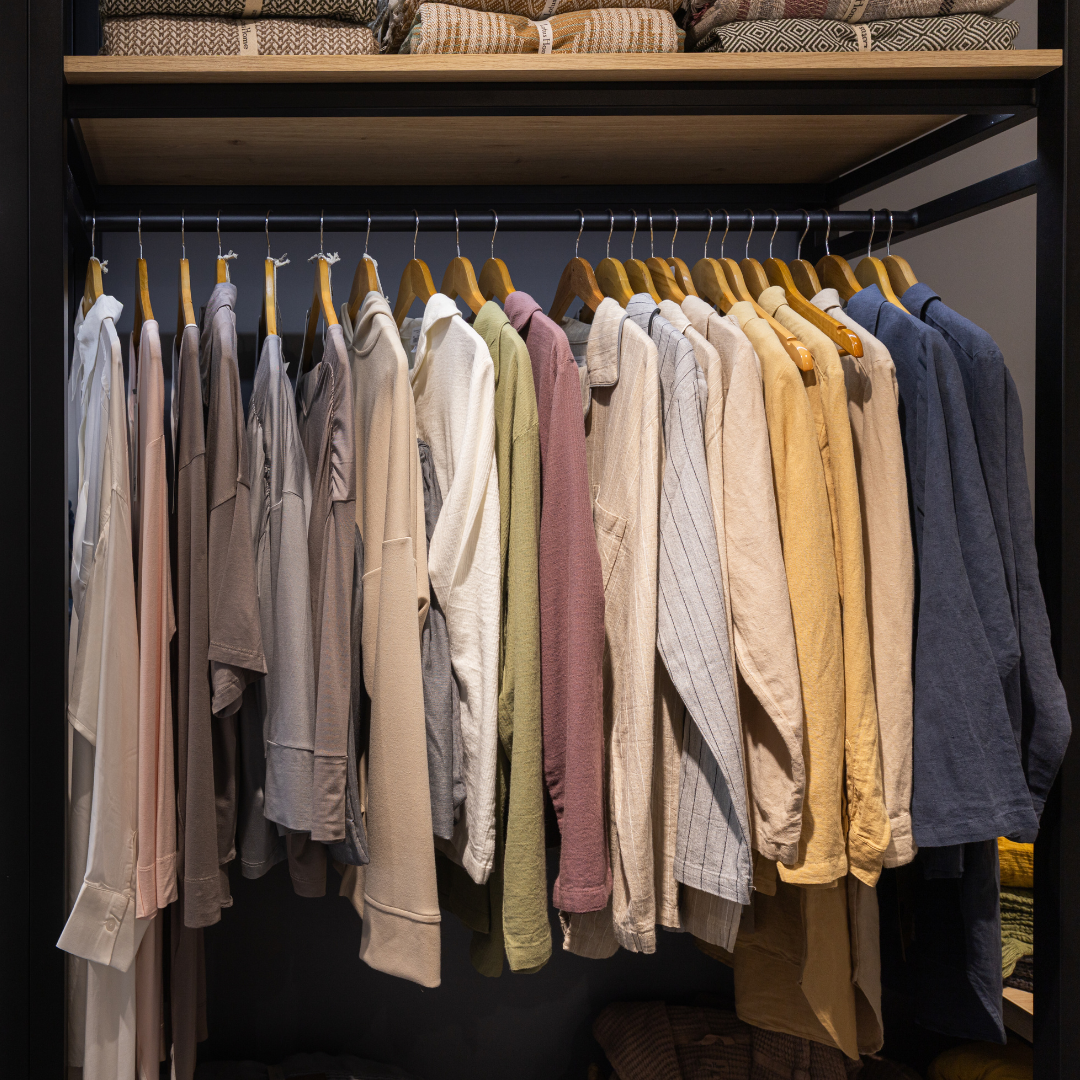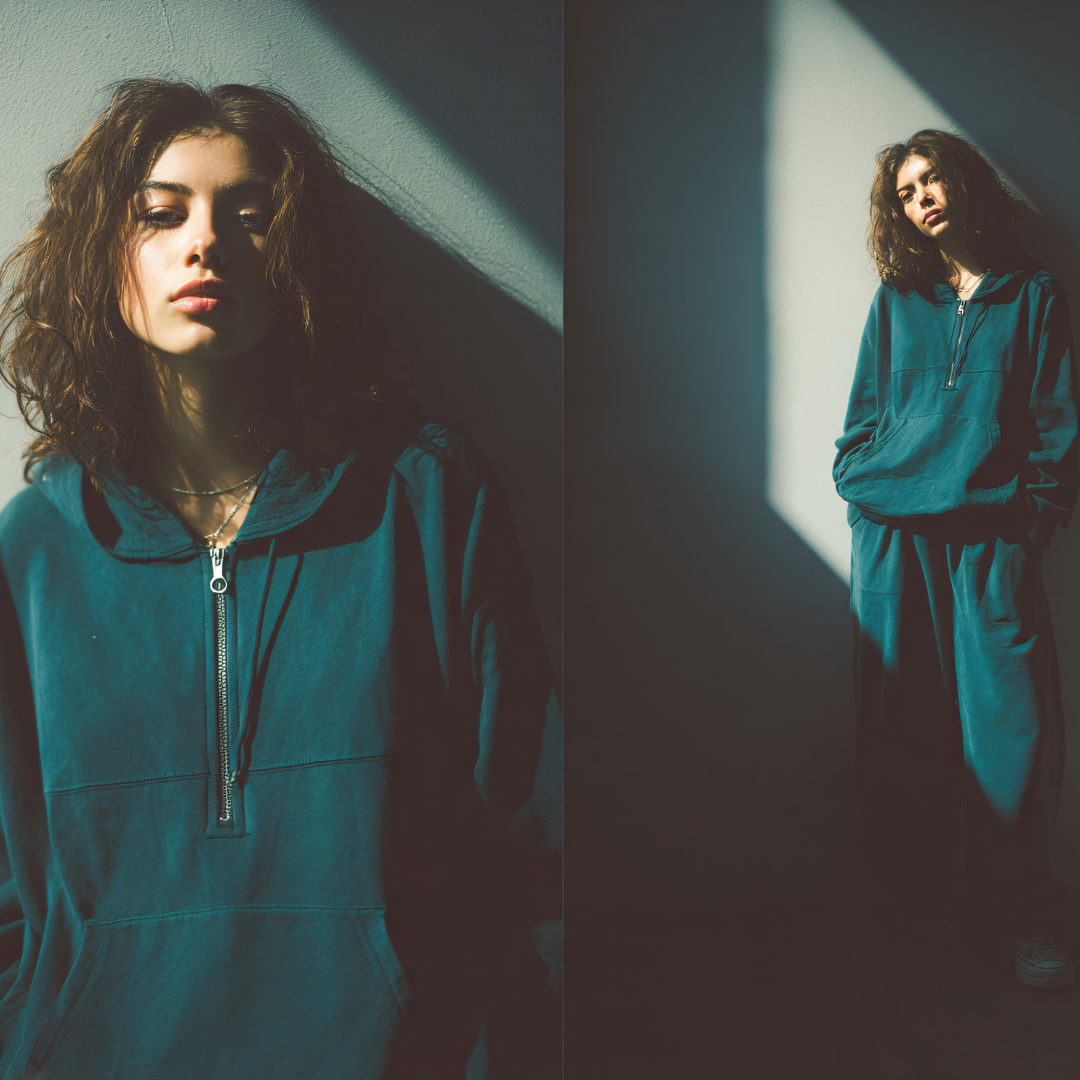
Loungewear shifted from being purely functional to a fashion staple through a combination of cultural changes and evolving lifestyle priorities. The rise of remote work and casual dress codes made comfortable clothing a daily necessity, while designers embraced this trend by blending style with ease.
Its widespread acceptance in both home and public settings marks loungewear as a permanent fixture in wardrobes, reflecting broader shifts towards comfort without sacrificing fashion. This shift also ties closely to consumer demand for versatile clothing that works beyond traditional categories.
The growing influence of social media and celebrity endorsements accelerated this transition, making loungewear a symbol of modern, relaxed living. As a result, loungewear now holds a firm place in mainstream fashion, admired for both practicality and aesthetic appeal.
The Transformation of Loungewear Into a Fashion Staple
Loungewear has evolved from simple, comfortable clothing to a key element of contemporary fashion. This shift is shaped by changing social habits, cultural shifts, and innovations within the fashion industry. The following explores its definition, driving forces behind its rise, and recent significant changes.
Defining Loungewear and Its Core Appeal
Loungewear refers to casual, comfortable clothing designed primarily for relaxation at home. The core appeal lies in its blend of softness, ease of movement, and practical styles. Materials like cotton jersey, fleece, and knit fabrics dominate, providing breathability and comfort.
It often includes items like joggers, sweatshirts, and loose tops. Unlike traditional sleepwear or activewear, loungewear balances comfort with presentability, allowing wearers to transition between home and social settings fluidly. This adaptability has made it increasingly desirable beyond just casual use.
Cultural and Social Catalysts for Change
Several cultural factors accelerated loungewear’s rise. The increase in remote working blurred the lines between home and office wear, creating demand for clothing that is both comfortable and visually acceptable. Social media platforms amplified this trend by popularising relaxed, fashion-forward looks.
Additionally, wellness culture emphasises comfort and self-care, reinforcing the appeal of softer, easy-to-wear garments. Economic shifts and sustainability concerns also make loungewear attractive, as it favours durability and multifunctionality over fast fashion. These elements collectively challenged traditional dress codes.
The Loungewear Revolution in Recent Years
The loungewear revolution is marked by increased investment and innovation from the fashion industry. Designers and brands introduced elevated styles, merging luxury fabrics with traditional, comfortable cuts. This resulted in pieces that appeal to style-conscious consumers without sacrificing comfort.
Retailers have responded by expanding loungewear lines and marketing them as versatile staples rather than niche garments. Collaborations between sportswear and high fashion further cemented loungewear’s status. This revolution has permanently altered consumer expectations, making loungewear an established fashion trend visible in stores worldwide.
| Key Features | Description |
| Fabrics | Cotton blends, sustainable materials |
| Common Items | Joggers, oversized tops, knitwear |
| Market Influence | Remote work, social media, wellness |
| Industry Response | Designer collections, cross-category collaborations |
A Historical Evolution: From Pyjamas to Athleisure
Loungewear has progressed significantly in style, function, and social acceptance over the centuries. Its journey spans from traditional sleepwear and luxurious at-home garments to a dominant segment of everyday fashion, heavily influenced by cultural shifts and sportswear innovations.
Early Influences and Eastern Origins
The concept of comfortable clothing for leisure can be traced to South Asia and the Middle East, where garments similar to pyjamas originated. These loose trousers, often made from cotton or silk, were designed for comfort and mobility in warmer climates.
They reached Europe during the 17th and 18th centuries through trade routes. These imported styles were initially adopted by the upper classes as exotic nightwear alternatives, marking the beginning of pyjamas’ introduction to Western wardrobes.
The Emergence of Pyjamas and Dressing Gowns
By the 19th century, pyjamas became fashionable sleepwear in Britain, thanks to their practicality and comfort compared to restrictive nightshirts. Dressing gowns and smoking jackets, typically made from silk or cashmere, were popular for daytime relaxation at home.
These garments symbolised sophistication and leisure among upper-class men during the Victorian and Edwardian eras. Coco Chanel later incorporated casual yet elegant elements into women’s loungewear, influencing the blend of comfort and style.
The Hollywood and Celebrity Effect
Hollywood in the 1930s and 1940s popularised luxurious loungewear through glamorous depictions of stars wearing silk dressing gowns and stylish pyjamas on screen. These images made such garments desirable beyond the home.
Celebrities helped normalise loungewear as a symbol of effortless elegance. This visibility led designers to create more accessible and fashionable leisure pieces, expanding loungewear’s appeal across different social groups.
The Birth of Athleisure and Its Impact
The late 20th century saw the rise of athleisure, blending sportswear functionality with everyday fashion. Tracksuits, leggings, and sporty tops transitioned from gym wear to streetwear, driven by changing attitudes towards health and comfort.
Athleisure emphasised versatility with materials like moisture-wicking fabrics and stretch knits. This evolution reshaped loungewear, making it a staple with broad functionality—from workouts to casual social settings—cementing its place in contemporary wardrobes.
Modern Loungewear: Comfort, Versatility, and Mainstream Appeal
Loungewear today combines comfort with style, adapting to various settings from home to public spaces. Its widespread appeal stems from functional design, familiar garments, and changes in lifestyle that prioritise ease without sacrificing appearance.
Key Garments and Materials Defining Contemporary Loungewear
Contemporary loungewear features joggers, sweatpants, and hoodies as staples. These pieces often use soft, breathable fabrics like cotton blends, modal, and bamboo fibres to enhance comfort.
Brands like Gucci have elevated loungewear by incorporating luxury fabrics and tailoring. This shift from purely functional to fashionable items has allowed loungewear to be accepted beyond casual or homewear scenarios, appearing in department stores alongside formal and casual clothing.
Materials focus on stretch and durability, combining activewear technology with relaxed fits. This ensures flexibility for movement and comfort throughout the day.
Integration Into Everyday Wardrobes
Loungewear integrates into daily wear through versatile designs and neutral colour palettes. It mixes easily with streetwear and casual clothing, allowing items like joggers and hoodies to pair with sandals or trainers for a polished yet informal look.
Many consumers now choose these garments not only for home use but also for errands, social outings, or light exercise. Retailers offer styles that bridge activewear and casualwear, increasing the adaptability of loungewear.
This adaptability has moved loungewear into mainstream fashion, supported by prominent brands and department store selections, making these garments a regular part of varied wardrobes.
The Role of Remote Work and Changing Lifestyles
Remote work has driven demand for comfortable, presentable clothing. People require outfits that balance professionalism and relaxation, placing loungewear at the forefront of daily attire.
The rise in home-based jobs means sweatpants and hoodies replace traditional office wear for many. This change is reinforced by shifts in social norms, where casual clothing is more widely accepted in professional and social environments.
Loungewear’s comfort and versatility also match active, flexible lifestyles, blending work, leisure, and exercise seamlessly.