Mindfulness has gained significant attention in recent years, as individuals increasingly seek ways to manage stress and improve their overall well-being. The importance of mindfulness lies in its ability to enhance focus, reduce anxiety, and promote emotional resilience. Engaging in mindfulness practices allows individuals to cultivate a deeper awareness of their thoughts and feelings, leading to improved mental clarity.
As people navigate the challenges of modern life, the benefits of mindfulness become even more apparent. By encouraging living in the present moment, mindfulness helps individuals break free from the constant cycle of worry about the future or regret over the past. This practice not only strengthens mental health but also fosters healthier relationships and a more balanced lifestyle.
Implementing mindfulness techniques can be simple yet profoundly transformative. From meditation and deep breathing exercises to mindful eating and walking, there are numerous methods to incorporate mindfulness into daily routines. By prioritising mindfulness, individuals can unlock a path to greater peace and fulfilment in their lives.
Understanding Mindfulness
Mindfulness is the practice of maintaining a heightened awareness of the present moment. It involves focusing attention on one’s thoughts, feelings, and bodily sensations without judgment.
This practice encourages individuals to become more aware of their mental states. Increased self-awareness can lead to greater clarity and improved mental health.
Key Elements of Mindfulness:
- Attention: Concentrating on the present rather than dwelling on the past or future.
- Awareness: Recognising thoughts and emotions as they arise.
- Non-judgment: Observing experiences without labelling them as good or bad.
Implementing mindfulness practices can take various forms, including meditation, deep breathing exercises, and mindful walking. Each of these techniques promotes a connection to the present.
Research indicates that regular mindfulness practice can enhance emotional resilience. It may also reduce stress and anxiety, contributing to better mental health overall.
Practising mindfulness helps individuals cultivate a clearer perspective on their lives. This clarity allows for more informed decision-making and improved relationships.
As individuals become more attuned to their thoughts and feelings, they often find a deeper sense of peace. Consequently, mindfulness can be a valuable tool for personal growth and emotional well-being.
Mindfulness and Mental Wellbeing
Mindfulness plays a crucial role in enhancing mental well-being by providing tools for stress reduction and improving emotional health. Through focused attention and acceptance, individuals can develop resilience against anxiety and depression.
Combatting Stress and Anxiety
Mindfulness techniques can significantly reduce stress and anxiety levels. Practices such as meditation, deep breathing, and body scans encourage individuals to stay present, which can alleviate racing thoughts and worries about the future.
Research indicates that mindfulness-based cognitive therapy (MBCT) is effective in treating anxiety disorders. Fostering awareness helps shift focus away from negative thought patterns, promoting a calmer state of mind.
Regular mindfulness practices can lead to a better stress response, empowering individuals to manage challenging situations with greater ease. This can enhance self-esteem as they learn to handle their emotions more effectively, reducing the likelihood of developing chronic stress.
Enhancing Emotional Health
Mindfulness contributes to improved emotional health by nurturing compassion and empathy. These qualities help individuals forge stronger relationships and enhance their overall well-being.
Engaging in mindfulness fosters a non-judgmental awareness of one’s emotions, allowing for deeper emotional processing. This approach can prevent the buildup of negative feelings often associated with depression, leading to a more balanced emotional state.
Additionally, consistent mindfulness practice can enhance resilience. By developing a greater understanding of emotions, individuals can bounce back from setbacks more readily, thus promoting a positive self-image and encouraging a healthier mindset.
Practical Applications and Techniques
Mindfulness can be practised in various ways, enriching daily routines and enhancing mental well-being. Techniques range from formal practices like meditation to simple activities that cultivate awareness throughout the day.
Mindfulness Meditation
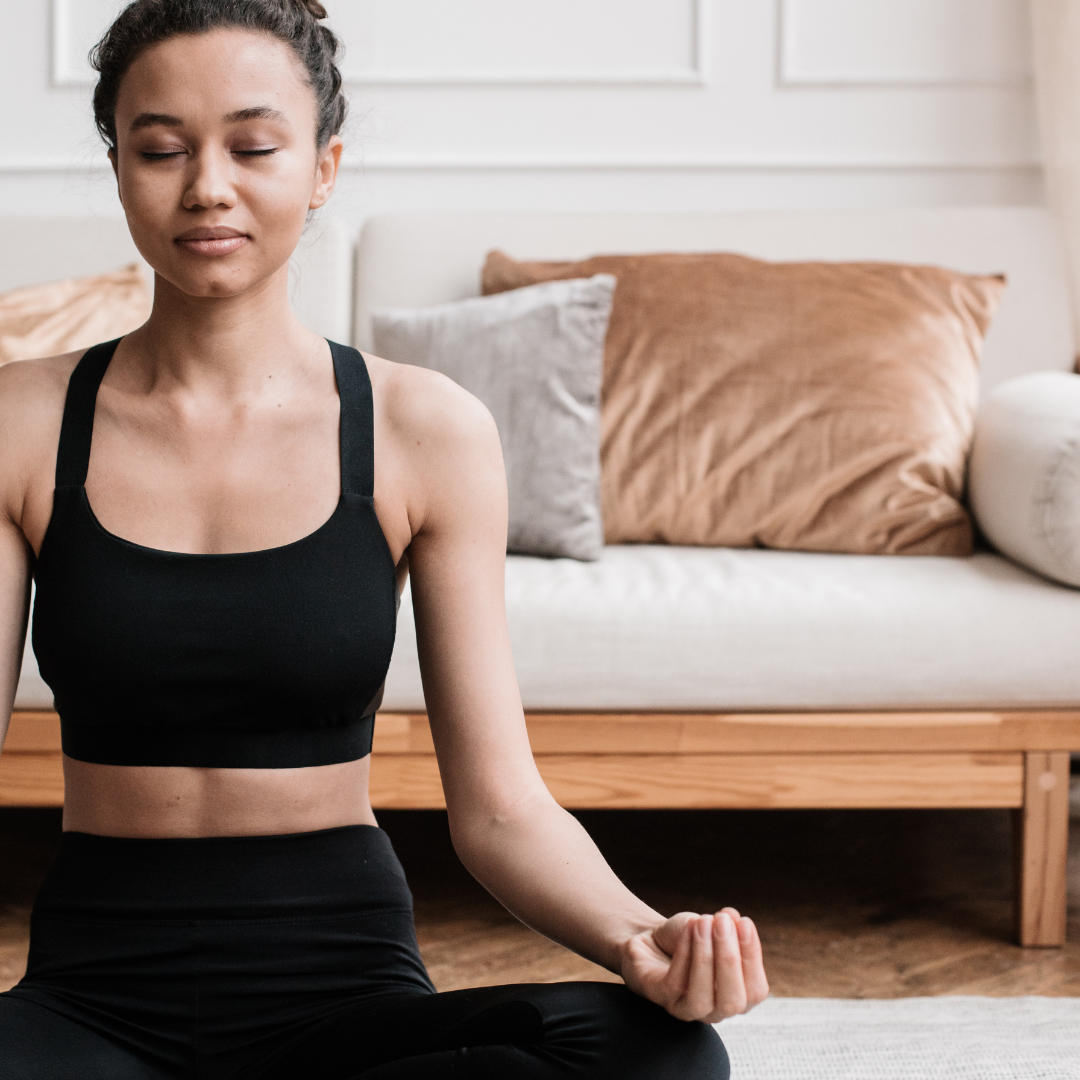
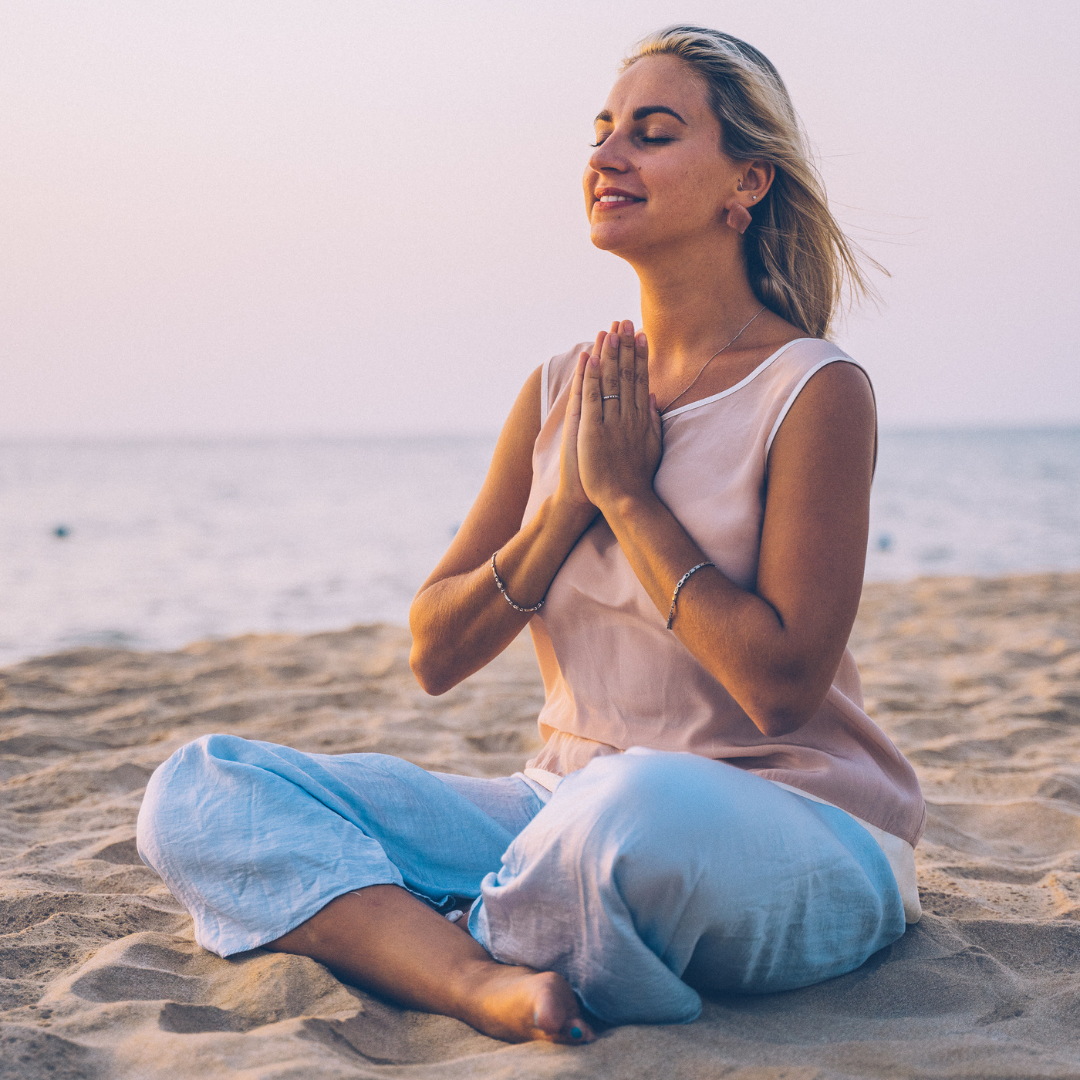
Mindfulness meditation involves focused attention and an open awareness of thoughts and sensations. Practitioners typically find a quiet space, either sitting or lying down, to minimise distractions.
- Breath Awareness: Concentrating on the breath is foundational. Observing the inhalation and exhalation can help anchor attention.
- Body Scan: This technique involves mentally scanning the body from head to toe, identifying areas of tension and promoting relaxation.
- Guided Sessions: Many find value in guided meditations, available through apps or online platforms, easing beginners into practice.
Regular engagement in mindfulness meditation can enhance concentration, reduce stress, and promote emotional balance.
Incorporating Mindfulness into Daily Life
Integrating mindfulness into everyday activities can transform mundane routines into opportunities for awareness. Simple actions can be approached with intention, creating moments of mindfulness.
- Mindful Eating: Paying attention to the experience of eating—savouring each bite—can enhance appreciation and reduce overeating.
- Walking Meditation: During a walk, focus on the sensations of each step, the rhythm of breathing, and the environment. This practice increases both focus and relaxation.
- Yoga: Practising yoga can improve flexibility, strength, and mindfulness. It combines movement with breath awareness, fostering a deeper connection to the body.
Incorporating these practices into daily life encourages self-care and nurtures a lasting mindfulness habit.
Support and Resources
Mindfulness can be enhanced through various support systems and resources. Many individuals benefit from structured mindfulness training programmes available online and in person. These programmes often introduce core techniques and practices.
Local and Online Support Groups
- Community centres and wellness organisations frequently offer mindfulness groups.
- Online forums and social media groups can also provide a sense of connection.
Mindfulness Apps
- Popular apps such as Headspace and Calm offer guided meditations and tailored programmes.
- These tools help users incorporate mindfulness into daily routines.
Books and Audiobooks
- Literature on mindfulness can deepen understanding.
- Titles like “The Miracle of Mindfulness” by Thich Nhat Hanh provide insights and practices.
Research on Mindfulness and Health
Studies suggest that mindfulness may support the immune system. Regular practice can lead to lower stress levels, which are linked to better immune responses.
Workshops and Retreats
- Participating in mindfulness workshops or retreats can provide immersive experiences.
- Such events facilitate focused learning and deeper engagement with mindfulness practices.
Individuals should explore these resources to find what resonates best with them. Incorporating a mix of supports can help establish a sustainable mindfulness practice.