Baking is both an art and a science, where precise measurements and controlled conditions play crucial roles in achieving the desired results. Many home bakers strive for that perfect loaf of bread or the lightest sponge cake, often wondering what exactly makes these baked goods successful. The science behind perfect baking lies in understanding the interactions between ingredients, temperature, and timing, all of which can significantly influence the final product.
Ingredients like flour, sugar, and eggs all serve specific functions that impact texture, flavour, and structure. For instance, gluten development is essential for creating the right chewy texture in breads, while the folding technique can enhance the aeration in cakes. By grasping these scientific principles, bakers can replicate successful outcomes and troubleshoot any issues that arise.
Temperature control is equally vital. The science of heat transfer affects how quickly and evenly a bake progresses. Understanding this can lead to better results, whether it’s preventing a soggy bottom or ensuring that a cake rises uniformly. With the right knowledge, anyone can elevate their baking skills and consistently produce superb treats.
Fundamentals of Baking Science
Baking is a precise art that combines various ingredients and chemical processes to create desirable textures and flavours. Understanding the fundamentals assists bakers in achieving consistent results and perfecting their recipes.
The Role of Ingredients
Each ingredient in baking serves a specific purpose.
- Flour is the backbone, providing structure through gluten formation.
- Sugar contributes sweetness and moisture while aiding in browning.
- Fats, such as butter or oil, enhance flavour and texture by coating flour proteins, which shortens gluten strands.
Eggs add richness and help bind ingredients together. They also assist in leavening and contribute to the cake’s structure. Yeast is crucial for fermentation, producing carbon dioxide that makes dough rise. Baking soda and baking powder are chemical leaveners that react to moisture and heat, creating air bubbles that lighten batter.
Chemical Reactions in Baking
Baking involves several chemical reactions that transform raw ingredients into baked goods.
- The interaction between flour proteins, water, and fats creates gluten, which imparts elasticity and strength.
- Fermentation occurs when yeast consumes sugars, producing carbon dioxide and alcohol, contributing to flavour and texture.
The Maillard reaction takes place during baking, resulting in the browning of the crust and intricate flavours. Enzymes in flour break down starches into sugars, which not only feed yeast but also aid in the browning process. The proper balance of ingredients dictates how these reactions unfold.
Importance of Measurements
Precision in baking cannot be overstated. Accurate measurement of ingredients is crucial for consistency.
Using a digital scale is often recommended, as it provides precise weights that measuring cups may not achieve. Ratios of flour to liquids must be considered to ensure the right dough consistency.
Even slight variations can lead to significantly different outcomes. For example, too much flour can create dry, dense bread, while too little may result in a flat loaf. Accurate measurements foster reliability in baking, allowing bakers to replicate successes or troubleshoot failures effectively.
Perfecting Bake Techniques
Achieving the ideal bake involves several key techniques. Mastery over oven settings, the right handling of dough, and the use of appropriate baking pans are essential for producing consistent results.
Oven Mastery
Oven temperature plays a crucial role in achieving the desired bake. For accuracy, an oven thermometer should be used, as built-in thermostats can often be misleading.
A proper preheating of the oven ensures optimal oven spring for breads and pastries. Knowing how to adjust racks for airflow can also affect baking.
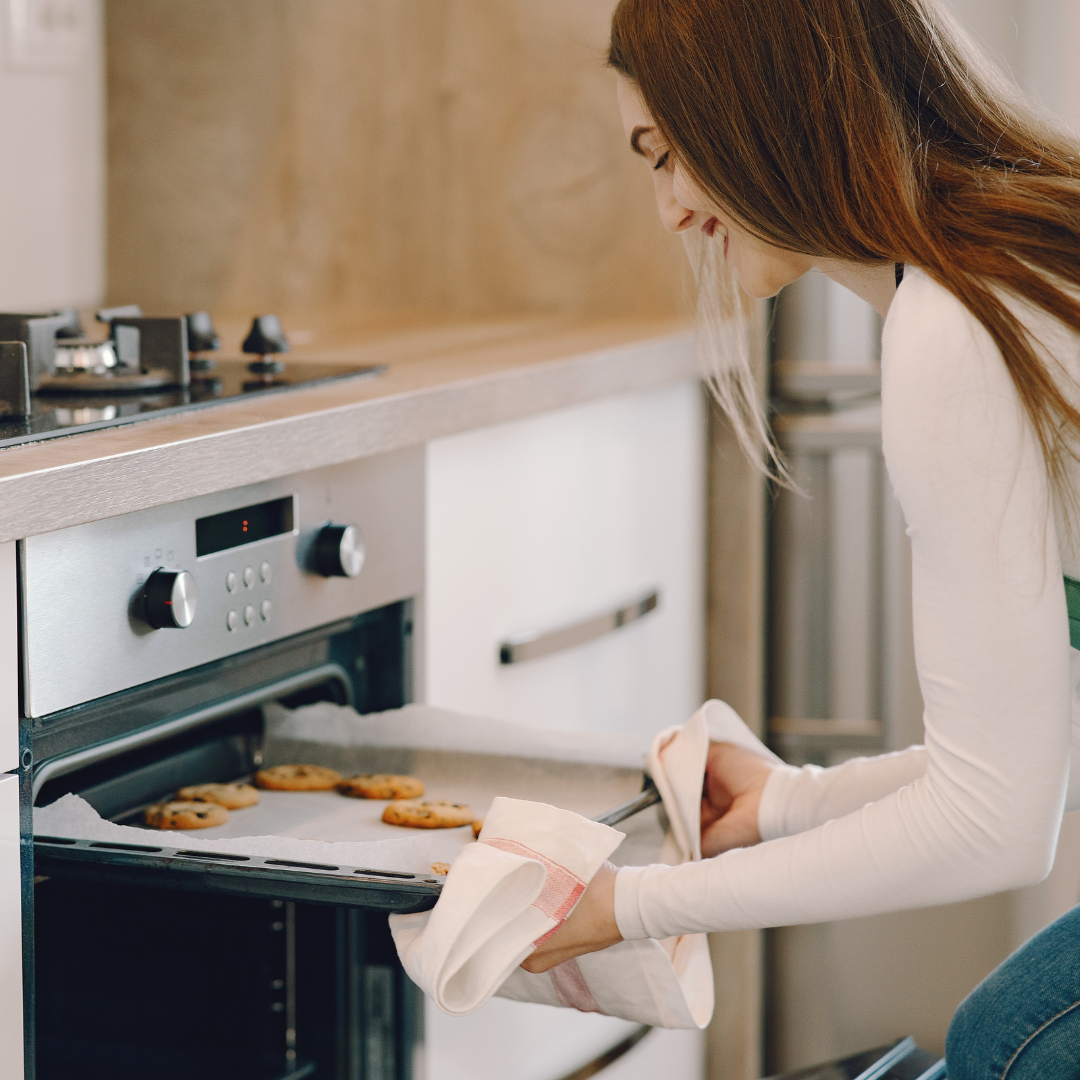
Baking cookies requires a moderate temperature, generally between 175°C and 190°C. Lower temperatures may yield soft, chewy cookies, while higher settings produce crisp textures. Monitoring closely during baking allows for adjustments if needed.
Mixing and Handling Dough
The interaction between glutenin and gliadin forms gluten, which provides structure to baked goods. Proper kneading is essential to develop this elasticity.
For bread dough, a consistent and smooth texture is key, while cookie dough should be slightly softer but firm enough to hold its shape.
When mixing, over-mixing can lead to tough results, especially in delicate items like cakes. Ingredients should be combined until just incorporated, preventing excess gluten development.
Chilling dough can help achieve better cookie consistency and shape during baking.
Baking Pans and Preparation
The choice of baking pan significantly influences the finished product. Metal pans typically conduct heat more efficiently, while glass pans allow for even cooking.
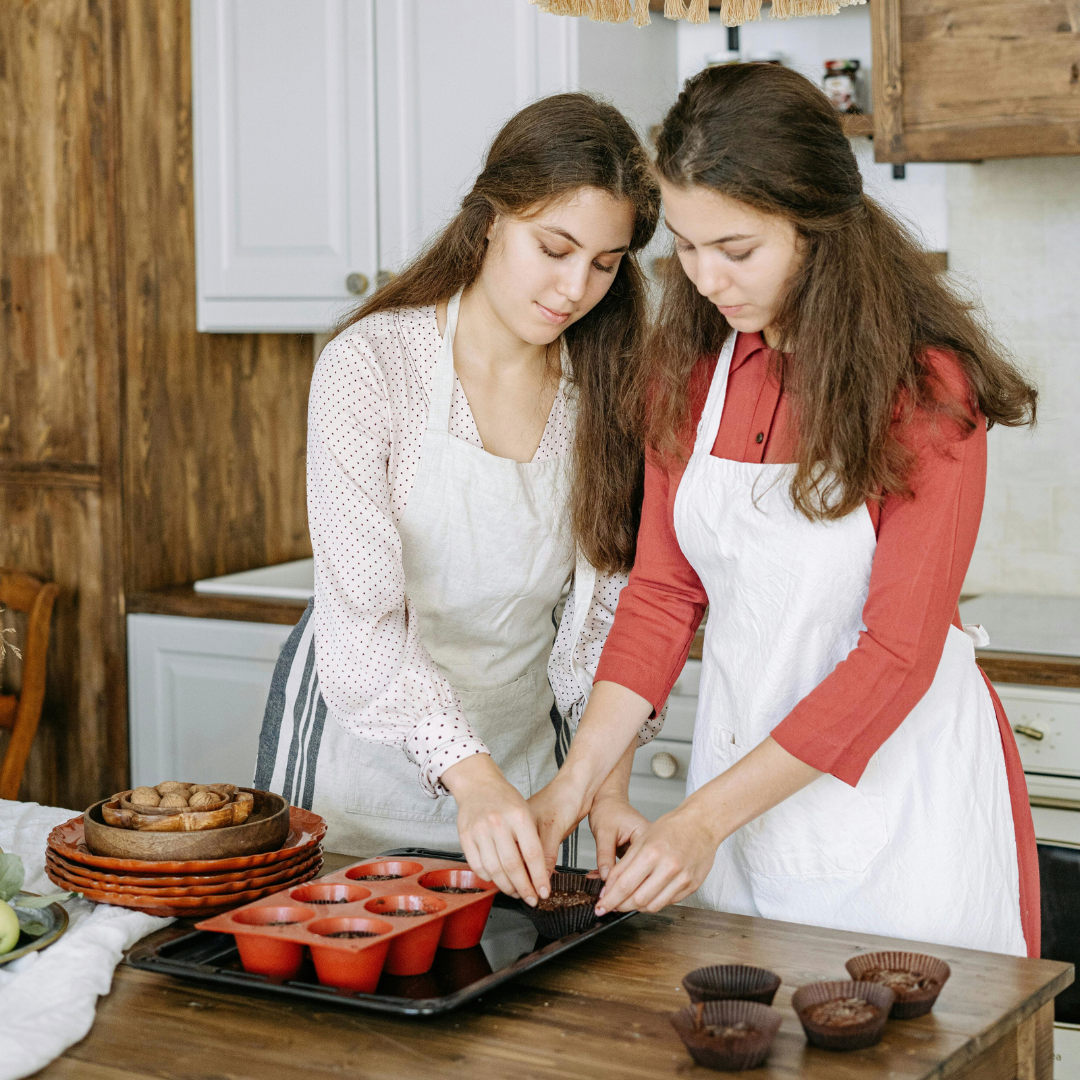
Using parchment paper can prevent sticking and aid in the easy transfer of baked goods. Buttering pans is often necessary for added non-stick reliability, especially for cakes.
Fluted or textured pans can create interesting designs but may require slightly different baking times. It’s important to consider the size and shape of the pan when adjusting cooking times, as irregular shapes can lead to uneven cooking.
Achieving The Desired Texture
The texture of baked goods is pivotal to their appeal. Achieving the right balance involves manipulating crust characteristics, regulating moisture, and ensuring proper leavening techniques.
Manipulating Crust and Browning
Crust texture significantly affects the overall experience. For quick breads, bakers often opt for softer crusts, achieving this by reducing baking time or using lower temperatures. Conversely, a hard crust can be developed through higher baking temperatures, promoting the Maillard reaction, which enhances flavour and colour.
To achieve the desired browning, bakeries might use techniques such as brushing the crust with water or an egg wash before baking. This process aids in creating a visually appealing finish while adding a slight sheen. Monitoring the colour change is crucial, as it indicates the progression of the baking process and affects how the final product will be perceived.
Moisture and Leavening Control
Moisture balance plays a critical role in texture. The amount of water in a mixture influences the softness and density of the final product. Insufficient moisture can lead to dry, crumbly textures, whereas excess moisture might cause the product to be gummy or dense.
Using the right leavening agents is essential for achieving the specific texture desired. Baking powder and bicarbonate of soda are common choices that produce carbon dioxide, contributing to the rise of the mixture. The internal temperature of the baked goods should also be monitored to ensure proper expansion and avoid sogginess.
Testing for Doneness
Determining doneness is key to ensuring the right texture is achieved. Many bakers utilise the toothpick test: inserting a toothpick into the centre of the bread. If it comes out clean or with a few dry crumbs, the product is typically ready.
Internal temperatures also vary for different types of baked goods. For instance, quick breads are often done at around 90-95°C (194-203°F). Knowing the optimal testing methods and temperature guidelines helps ensure the texture aligns with expectations, producing a satisfying bite.
Advanced Considerations
Baking perfection requires careful attention to a variety of factors that can significantly affect the outcome. This section explores the impact of environmental variables and ingredient variability.
Environmental Variables
Factors such as altitude and humidity play crucial roles in achieving consistent baking results. For instance, at higher altitudes, reduced atmospheric pressure can cause baked goods to rise too quickly, leading to collapsed structures. Adjusting baking times and temperatures is essential in these conditions.
Humidity affects moisture levels in the air, which in turn impacts ingredient behaviour. In high humidity, flour can absorb moisture, resulting in a wetter dough. It may be necessary to reduce liquid ingredients or incorporate additional flour to maintain the desired consistency.
Ingredient Variability
The type and condition of ingredients are vital to the baking process. Room temperature ingredients, such as eggs and butter, blend more easily, resulting in a smoother batter. Cold ingredients can lead to uneven mixing and undesirable textures.
Flour types vary significantly in protein content, influencing the structure of baked goods. For instance, bread flour, with its higher protein, promotes gluten development, while cake flour, lower in protein, yields tender results. Additionally, bran content in wholegrain flours can affect hydration and texture, necessitating adjustments to the recipe for optimal results.