Mixing comfort with style doesn’t require sacrificing one for the other. The key is selecting versatile pieces that fit well and suit the occasion while prioritising quality fabrics and thoughtful design. This approach allows anyone to look polished without feeling restricted or uncomfortable.
Choosing clothes with breathable materials and relaxed cuts can enhance comfort, while incorporating subtle details or accessories adds style effortlessly. This balance makes everyday dressing simpler and more enjoyable.
By focusing on fit, fabric, and personal expression, it’s possible to create outfits that feel good and look intentional. Understanding how to combine these elements helps anyone maintain both ease and elegance.
The Fundamentals Of Blending Comfort With Style
Blending comfort with style requires understanding key elements that allow ease without sacrificing appearance. It depends on recognising personal preferences, selecting the right pieces, and knowing how to combine practicality with aesthetics effectively.
Understanding The Balance Between Comfort And Style
Comfort and style often seem at odds, but they can coexist with the right approach. Comfort focuses on how clothing fits and feels — softness, breathability, and freedom of movement matter most. Style prioritises visual appeal, silhouette, and current trends.
He or she must aim for fabrics that provide both softness and structure, like cotton blends or fine knits. Adjusting fit is essential: clothes shouldn’t be tight enough to restrict, but should maintain a flattering shape. Prioritising adjustable features such as elastic waistbands or stretch materials enhances comfort without losing style.
The goal is to avoid extremes — overly loose or overly tight — and find a middle ground where comfort supports confidence in personal appearance.
Identifying Your Personal Style Foundations
Personal style rests on consistent preferences in colour, cut, and overall aesthetic that reflect personality. A clear understanding of these preferences allows the selection of clothing that feels natural and comfortable.
They can start by assessing past favourites or pieces that elicit positive feelings and compliments. These choices form a baseline for building the wardrobe. Consider lifestyle needs, such as work, leisure, or special occasions, ensuring that foundational pieces accommodate different settings.
Knowing personal style foundations prevents unnecessary impulse buys and helps focus on comfort-friendly items aligned with true style, reducing wardrobe clutter.
The Role Of Versatile Wardrobe Essentials
Versatile essentials serve as the backbone for mixing comfort with style. These include classic items like well-fitting jeans, plain tees, tailored blazers, and comfortable footwear.
Essentials work because they adapt easily across seasons and occasions. For example, a fitted blazer can dress up a casual outfit or add polish to something minimalist. Fabrics should prioritise natural fibres for breathability, with layering options to adjust for temperature and activity.
Maintaining a handful of these practical yet stylish staples allows effortless outfit combinations, ensuring consistent comfort while meeting style standards daily.
Choosing Fabrics For Effortless Comfort And Appeal
Comfort and style start with the right fabric choices. Breathability, texture, and care requirements affect both how a garment feels and how it looks over time.
Natural Fabrics For Everyday Wear
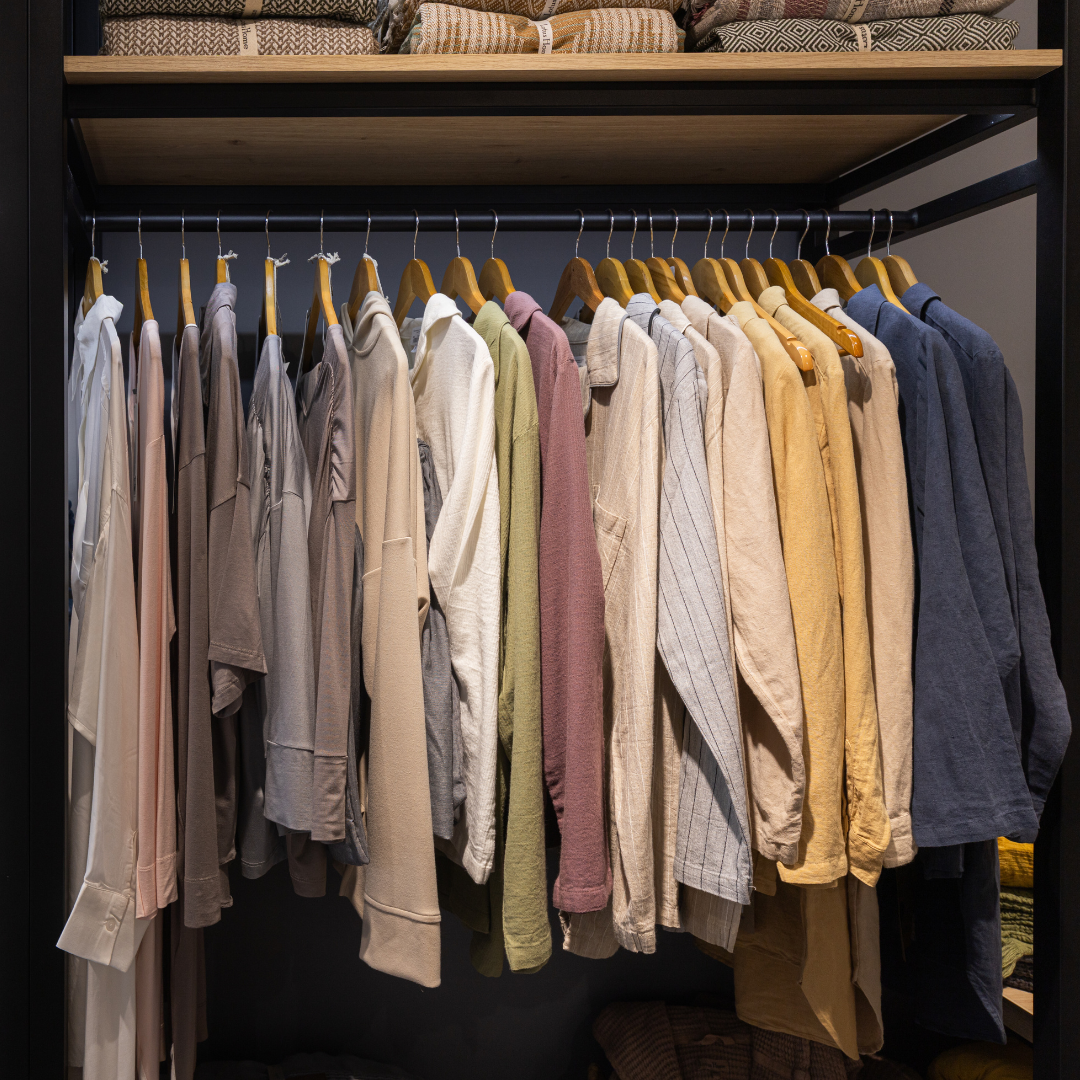
Natural fabrics such as cotton, wool, linen, and silk excel in comfort due to their breathability and ability to regulate temperature. Cotton is soft, durable, and ideal for daily wear. Linen offers a lightweight, airy feel, perfect for warm weather. Wool insulates well, making it suitable for cooler climates, while silk provides a smooth texture and subtle sheen for more refined pieces.
Modal, although semi-synthetic, is often grouped with natural fibres because of its softness and moisture-wicking properties. These fabrics age well and maintain their appearance after multiple washes, making them practical choices.
Selecting Breathable And Lightweight Materials
Breathability is crucial for comfort, especially in warmer months or active settings. Fabrics like cotton and linen allow air to flow freely, reducing sweat and overheating. Lightweight wool blends can offer similar breathability but with added insulation.
Lightweight silk is also excellent for its moisture-wicking capability and elegant drape. Choosing knits or open-weave fabrics enhances airflow further. Prioritising these materials ensures style does not come at the cost of discomfort.
Mixing Textures To Add Interest
Combining different fabric textures prevents an outfit from appearing flat. Pairing smooth silk with the rougher grain of linen creates a balanced contrast. Wool adds a tactile depth unmatched by monotone materials.
Layering softer modals with crisp cotton or linen elevates the outfit’s visual and tactile appeal. Mixing textures also supports seasonal adaptability, allowing comfortable layering without sacrificing style.
Caring For Your Fabrics
Proper care extends the life and appearance of fabrics. Cotton and linen are generally machine washable but benefit from gentle cycles and cold water to prevent shrinking. Wool requires careful hand washing or specialised wool cycles to avoid felting.
Silk needs delicate handling, often hand washing or dry cleaning, to maintain its sheen. Modal tends to be low maintenance, but should be kept away from high heat during drying. Using appropriate detergents and following care labels preserves comfort and appearance.
Key Clothing Pieces And Smart Styling Strategies
Mixing comfort with style depends on selecting versatile pieces and using practical styling techniques. Combining relaxed fits with structure, smart layering, and well-chosen accessories can create balanced, polished outfits.
Building Looks With Loose Fits And Structure
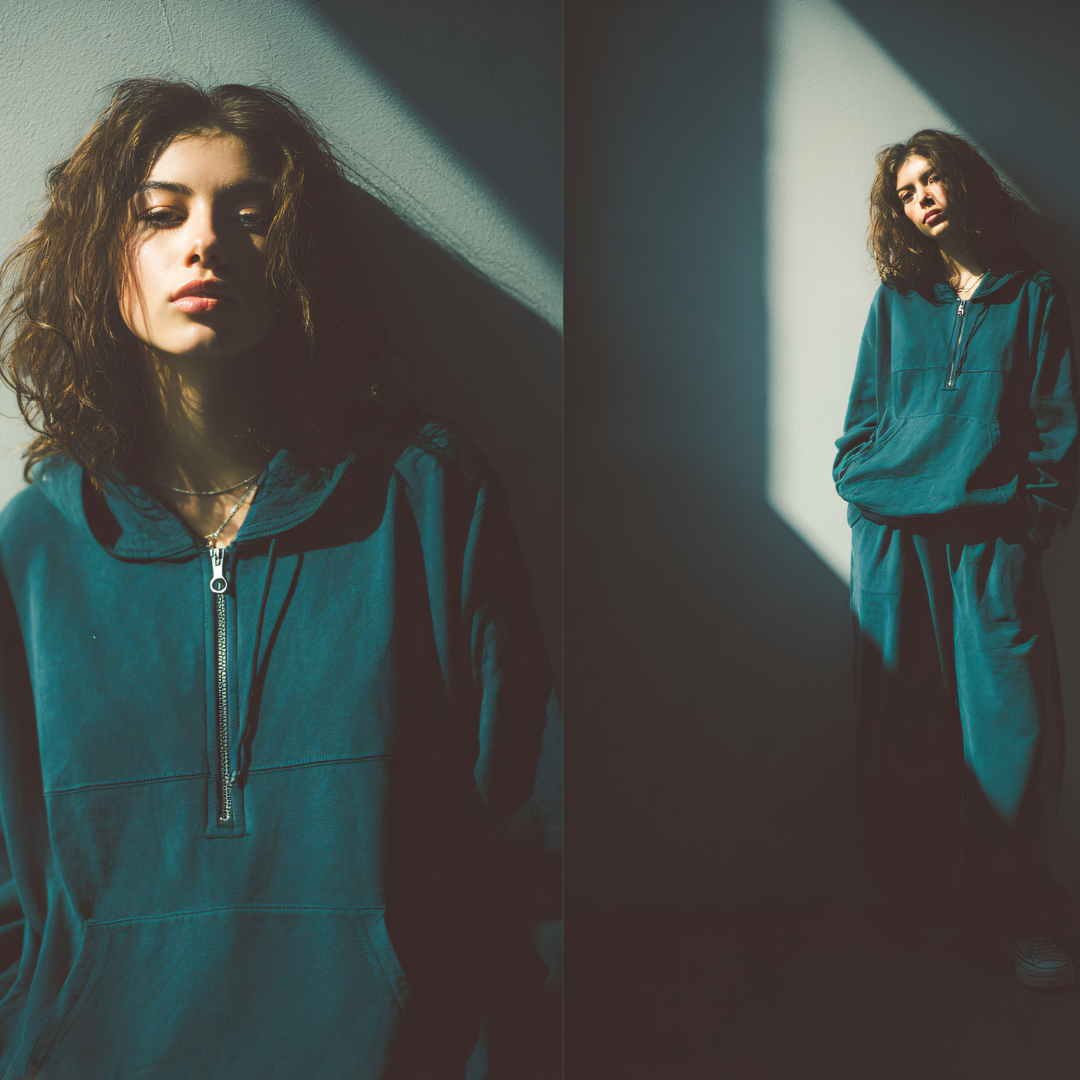
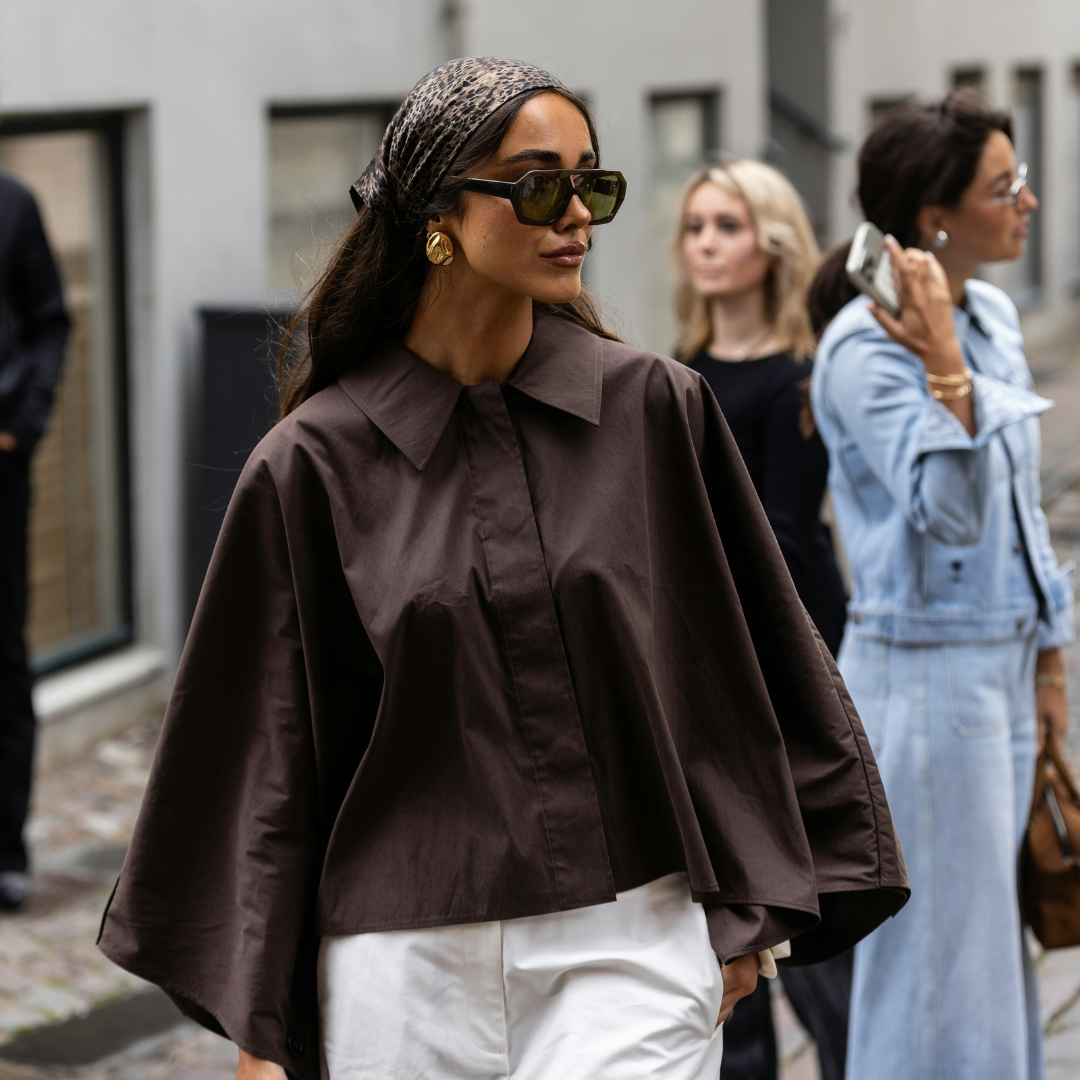
Loose fits offer ease of movement and a relaxed silhouette. Pairing wide-leg trousers or oversized shirts with tailored items adds structure without losing comfort. For example, a loose-fit shirt combined with high-waisted, structured trousers creates contrast while maintaining a sharp appearance.
Choosing garments with defined shoulders or darts can add shape to loose pieces. This prevents sloppiness and keeps the outfit intentional. Neutral colours often work best, as they let textures and shapes do the styling work.
Layering With Sweaters And Lightweight Blazers
Sweaters provide warmth without bulk and can be layered under blazers for a sleek look. Thin, fine-knit sweaters work well beneath a lightweight blazer for an outfit that moves easily between casual and formal.
A lightweight blazer adds polish while avoiding stiffness. It keeps the shape sharp but remains breathable and comfortable. Combining neutral colours in sweaters and blazers can create a cohesive look. Opt for colours like beige, grey, or navy to ensure easy pairing.
Effortless Accessorising With Scarves
Scarves add texture and interest without overwhelming an outfit. Light, soft scarves provide warmth and style without bulk. They can be draped loosely or tied neatly, depending on the look desired.
A patterned scarf can elevate simple outfits like a plain jumper and jeans. For a clean aesthetic, choose scarves in subtle tones that complement the rest of the outfit. Scarves also add seasonality, making them adaptable for various weather conditions.